

Supporting Young Children with Anxiety
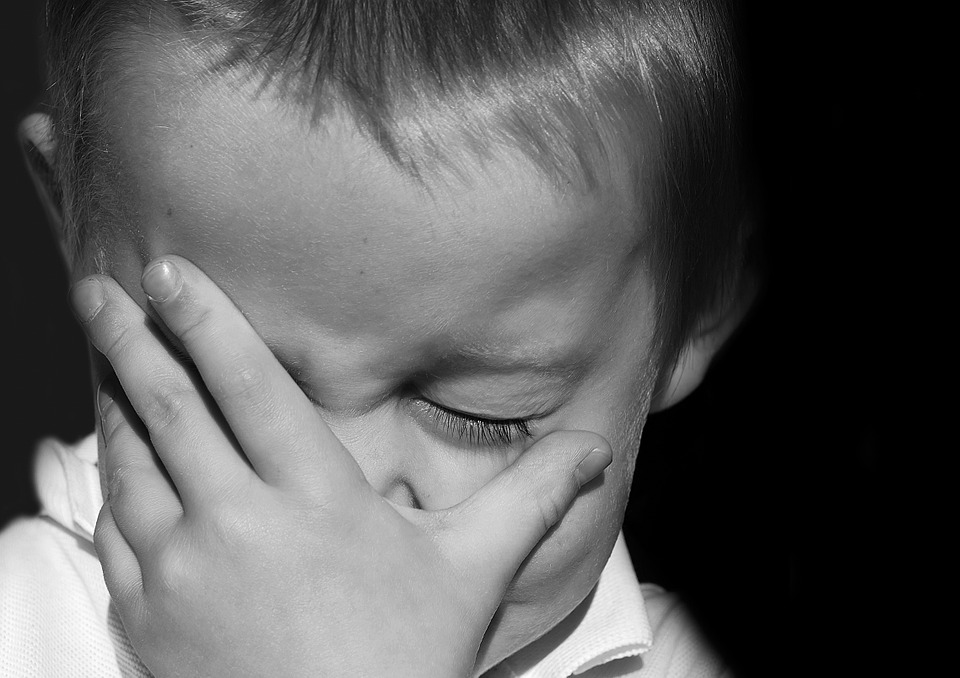
Anxiety in young Children
It is normal for babies and young children to feel anxious the first time they start nursery or preschool. Most children experience initial separation anxiety and will overcome this once they are settled. However, some children may not outgrow separation anxiety or develop worries or fears that affect their behaviour and thoughts every day.
Some signs of anxiety in children include:
-
Crying or feeling frightened
-
Refusing to talk or engage in activities
-
Clinginess
-
Finding it hard to focus
-
Not eating properly or refusing to eat
-
Sleep problems
-
Quickly feeling angry or irritable
-
Negative thoughts and feelings
-
Tummy aches and feeling unwell
-
Racing heart and feeling shaky
These symptoms are the result of the ‘fight or flight’ response which is a normal chemical response to deal with danger. But with anxiety the response is overactive and happens when there is no real danger.
Understandably, parents and carers are quick to try and eliminate these feelings and behaviours and as a result may intensify the child’s anxiety. The best way to help children overcome anxiety is not to remove stressors or avoid situation but to find ways to manage it. Overtime the anxiety will decrease or fall away completely.
Ways to help children manage anxiety:
Working with young children who suffer with anxiety can be difficult; having a strong relationship will help you to support them best. In my experience these 5 strategies help children to manage their anxiety.
-
Plan activities that help children name and recognise their feelings. Pictures and symbols can help children visually connect their emotions.
-
Encourage children to talk about their worries, imaginative play and shared stories may help very young children communicate them to you.
-
Reassuring children by saying; ‘I am here to help’ and ‘I can see you are feeling anxious, let’s do some breathing and try again.’ Telling children ‘not to worry’ or ‘you will be fine', will not will away their feelings of anxiety and may worsen their fears.
-
Self-talk can help children reframe their thoughts, this is often most effective for preschool age children and above. You can help children self-talk by creating a reasonable counter statement. For example, if a child is scared of a piece of gross motor equipment, they might practice something like this;